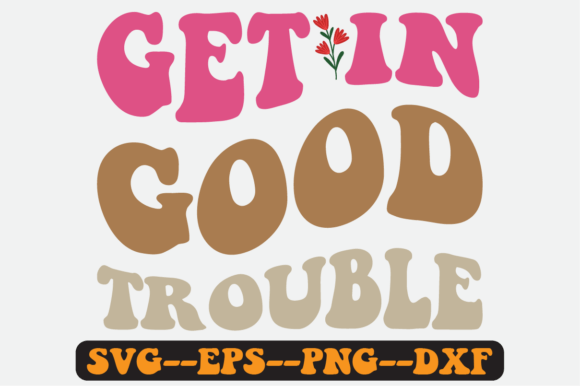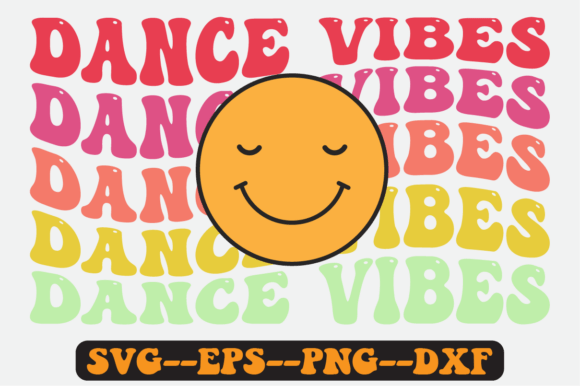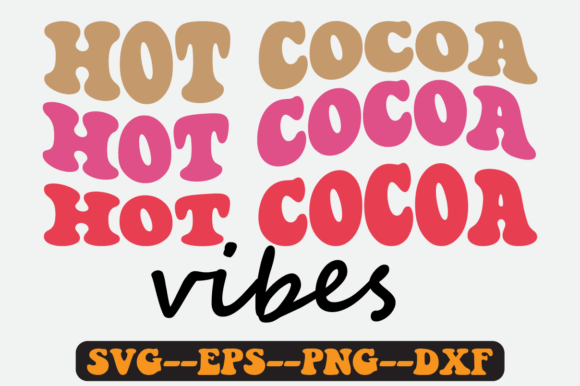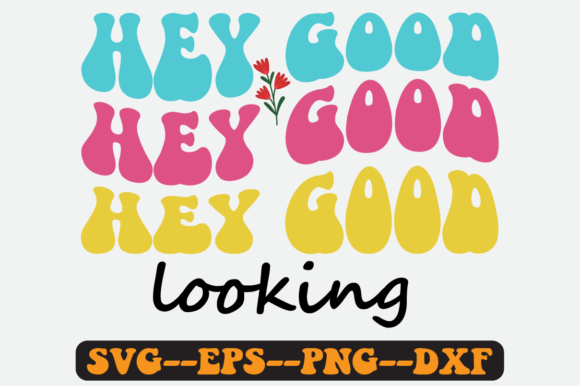
Good Vibes Quote Retro SVG Graphics for Crafts
As a brand designer who’s helped over 80 local businesses refine their visual identity—from artisanal candle studios in Asheville to family-run bakeries in Portland—I recently evaluated the Good Vibes Quote Retro SVG Design for a real-world branding project: a new line of small-batch lavender honey from a third-generation apiary in rural Tennessee. What stood out wasn’t just its aesthetic, but how thoughtfully it bridges retro charm with functional versatility across packaging, labels, and promotional touchpoints.
A First Impression That Feels Warm, Human, and Intentionally Nostalgic
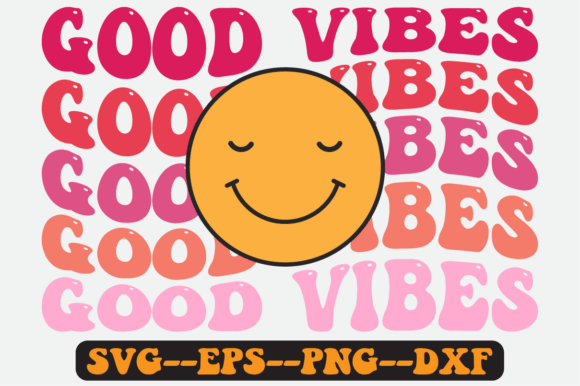
The Good Vibes Quote Retro SVG Design lands with soft confidence—not loud, not sterile, but quietly confident in its handmade sensibility. It reads as friendly, organic, and gently optimistic: rounded letterforms, subtle texture overlays, and a mid-century-inspired weight distribution that avoids looking dated or kitschy. This isn’t “vintage” as costume—it’s vintage as voice. For local businesses rooted in authenticity—think florists using dried botanicals, skincare brands with hand-poured labels, or children’s toy shops emphasizing tactile joy—it signals warmth without sacrificing clarity. It leans feminine but not exclusively so; playful but not childish; retro but not ironic. That balance makes it unusually adaptable for small business branding where tone must resonate across generations and contexts.
Where This Graphic Design Asset Earns Its Keep—Real Packaging & Promotional Use Cases
In practice, the Good Vibes Quote Retro SVG Design shines brightest where emotional resonance meets functional simplicity:
- Product labels for jars of small-batch jam, ceramic soap dispensers, or linen tea towels—especially when paired with a clean sans serif body font for ingredient lists or care instructions;
- Packaging accents on kraft mailer boxes, belly bands for greeting card bundles, or foil-stamped hang tags for handmade jewelry;
- Hero graphics on website banners, Instagram Story highlights, or printed posters for farmers’ market booths;
- Thank-you cards and printable inserts tucked into subscription boxes—adding consistent personality without overwhelming minimal layouts;
- Seasonal campaign visuals, like holiday gift sets or spring launch announcements, where its uplifting tone supports messaging without needing rewrites.
For the Tennessee honey project, we used it as a secondary brand mark beside the primary logo—scaled down on amber glass jar labels, enlarged as a background watermark on recipe cards, and reversed out in white for black matte shipping tape. Each application reinforced brand identity while keeping focus on product integrity.
How It Strengthens Local Business Presentation—Beyond Decoration
This isn’t just clipart—it’s a graphic design asset that actively improves perception. When applied intentionally, it contributes to:
- Stronger first impression: Shoppers scanning a crowded boutique shelf register warmth and approachability before reading a single word;
- Better product recognition: Consistent use across stickers, labels, and social posts builds visual memory faster than text alone;
- Clearer visual hierarchy: Its balanced weight holds attention without competing with essential info like net weight or origin;
- More consistent brand identity: Especially valuable for handmade businesses juggling multiple SKUs and seasonal drops;
- Improved customer trust: Thoughtful typography + intentional texture signals craftsmanship, not mass production.
Where to Apply It—and Where to Pause
The Good Vibes Quote Retro SVG Design excels in expressive, human-centered contexts—but it’s not universally deployable. Use it confidently on:
- Product mockups with natural textures (wood, linen, uncoated paper);
- Social media graphics where mood matters more than micro-detail;
- Boutique visuals like window decals, chalkboard menus, or tote bag prints;
- Printable designs for customer-facing collateral like loyalty cards or event invites.
Use carefully—or avoid—in:
- Formal corporate branding (e.g., law firms, financial advisors);
- Very small labels (<5mm height) where legibility degrades;
- Crowded packaging layouts already dense with certifications, barcodes, or regulatory text;
- Luxury minimalist brands relying on negative space and restrained typography;
- Backgrounds with low contrast (e.g., light gray on off-white), where its subtlety disappears.
Practical Brand Designer Notes Before You Commit
If you’re evaluating this digital product for client work or your own handmade business, test it rigorously:
- Preview it on real product mockups—not just digital previews—using your actual label stock and print method;
- Check black-and-white output: Does the texture hold up? Does it read clearly on thermal receipt paper or kraft tags?
- Test it beside your brand fonts—does it harmonize with serif, sans serif, script, and handwritten styles?
- Inspect the SVG design for vector editability: Can you adjust spacing, isolate letters, or recolor individual elements without rasterization?
- Verify commercial license terms—especially if applying it to physical goods for resale (e.g., T-shirts, mugs, or candles);
- Compare it against competitor packaging: Does it stand out meaningfully, or blend into generic “good vibes” noise?
For creative entrepreneurs sourcing design assets from marketplaces, the Good Vibes Quote Retro SVG Design represents a rare sweet spot: nostalgic enough to feel personal, clean enough to scale, and flexible enough to serve both packaging design and social media graphics without visual fatigue. It won’t replace your core logo—but deployed with intention, it deepens your local business story, strengthens marketing visuals, and quietly elevates every customer touchpoint. In an era where authenticity is currency, that kind of consistency isn’t decorative. It’s strategic.