Beach Please SVG Clipart: Graphics for Crafts & Local Branding
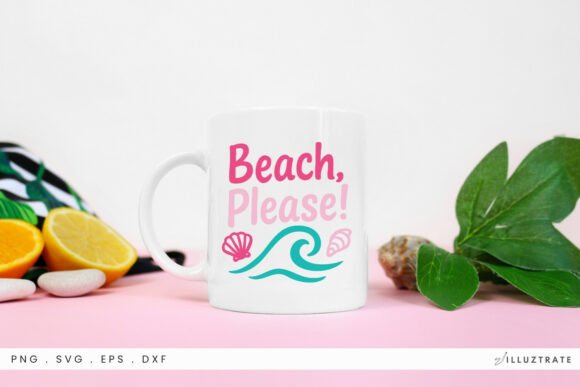
As a brand designer who’s developed visual identities for over two dozen local businesses—from coastal candle studios to farm-to-table jam makers—I opened Beach Please SVG Clipart expecting cheerful, summery energy. What I found was more nuanced: a hand-drawn, slightly imperfect script with organic weight shifts and subtle texture in the letterforms. It reads as warm, approachable, and intentionally unpolished—not sloppy, but human. That distinction matters deeply when you’re building trust for a small business.
This graphic design asset lands squarely in the “friendly artisan” category—think seaside bakery signage, lavender-scented soap labels, or a boutique’s summer pop-up campaign. It leans feminine and playful without veering into cutesy; it feels handmade but not amateurish. For a local coffee roaster launching a “Salt & Surf” cold brew line, or a children’s clothing brand releasing a beach-themed capsule collection, Beach Please SVG Clipart delivers instant mood alignment. It suggests ease, joy, and place-based authenticity—qualities customers increasingly seek from small business branding.
Where This SVG Design Earns Its Place in Real Business Projects
In packaging design, Beach Please SVG Clipart shines as a secondary brand element—not a logo replacement, but a strategic accent. I recently used it on hang tags for a Maine-based seaweed skincare line: scaled down beside the product name, it added rhythm and seasonal resonance without overwhelming the clean typography. On kraft paper labels for small-batch lemonade, it worked beautifully as a top-border flourish above ingredient lists—enhancing visual hierarchy while reinforcing the brand’s coastal identity.
For promotional material, its versatility is practical. As social media graphics, it anchors Instagram carousels for seasonal offers (“Beach Please—20% Off Summer Kits”). In printable design contexts—like thank-you cards tucked into online orders—it adds personality without requiring custom illustration. When layered into Canva templates for farmers’ market flyers or café chalkboard-style menu graphics, it elevates otherwise generic layouts into something recognizably *owned* by the business.
It also strengthens product mockups. Whether placed on a reusable tote bag, a ceramic mug, or a linen tea towel, the SVG’s vector precision ensures crisp scaling across formats. And because it’s built as a true cut file, it translates seamlessly to physical applications—vinyl decals for storefront windows, iron-on transfers for staff aprons, or foil-stamped accents on premium gift boxes.
How It Builds Trust—and Why That’s Not Obvious
Small business branding isn’t just about looking nice. It’s about signaling consistency, care, and intention. When Beach Please SVG Clipart appears across touchpoints—a sticker on a shipping box, a watermark on an email footer, a banner at a local craft fair—it quietly tells customers: *This brand pays attention to detail. It values cohesion. It understands its audience.* That perception directly supports customer trust and repeat purchase behavior.
On shelves or in crowded Etsy feeds, this graphic design asset boosts shelf appeal through contrast and character. Unlike generic script fonts, its unique rhythm stands out among algorithm-driven feeds and physical retail environments. Paired with thoughtful color choices (think sea-glass teal + unbleached cotton beige), it creates memorable product recognition—even before the customer reads the name.
Smart Usage Boundaries: Where to Lean In—and Where to Pause
This SVG design excels in decorative, emotional, and atmospheric roles: hero graphics for seasonal campaigns, packaging accents, boutique window displays, and social media campaign visuals. It’s ideal for product mockups where warmth and lifestyle resonance matter more than clinical precision.
But it’s not universal. Avoid placing it in formal corporate branding contexts—say, a law firm’s letterhead or a medical device startup’s investor deck. Don’t force it onto tiny product labels where legibility collapses, or layer it over busy backgrounds where its delicate strokes disappear. It competes poorly with dense ingredient lists or regulatory text, and feels tonally mismatched for luxury minimalist brands that rely on negative space and restraint.
Practical Brand Designer Notes Before You Implement
- Test it on real packaging mockups—not just digital previews—especially on textured papers or matte finishes where ink spread can soften edges.
- Check black-and-white usage: Does it retain character when printed in single-color foil stamping or screen printing?
- Preview at actual label size: At 0.75” height, does the “B” still read clearly next to your product name?
- Test it with your full brand palette: Does it harmonize with your primary typeface—whether serif, sans serif, script, or handwritten?
- Compare against competitor packaging: Does it differentiate your offering, or blend in too easily?
- Verify print quality: Export high-res PNGs for digital ads and inspect SVG paths for unnecessary anchor points that could cause cutting errors.
- Confirm commercial licensing: Ensure the license covers physical product sales, client work, and resale—critical for handmade business owners and packaging designers.
Ultimately, Beach Please SVG Clipart isn’t just another clipart download. It’s a considered, mood-driven design asset that supports small business branding by doing quiet, consistent work: humanizing packaging, softening marketing visuals, and connecting emotionally with local audiences who choose businesses—not just products—based on feeling. Used thoughtfully, it becomes part of the story your brand tells before a single word is read.