4th July Shades SVG Clipart
A Designer’s First Look: Bright, Bold, and Unapologetically Festive
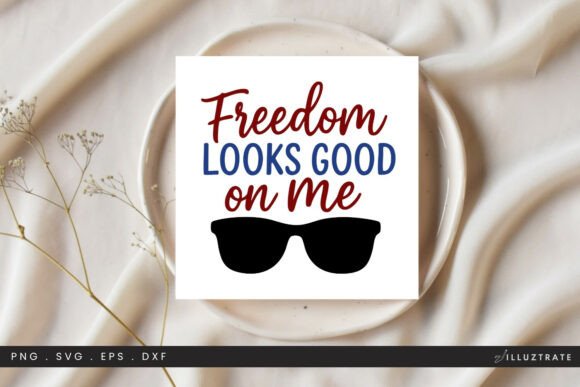
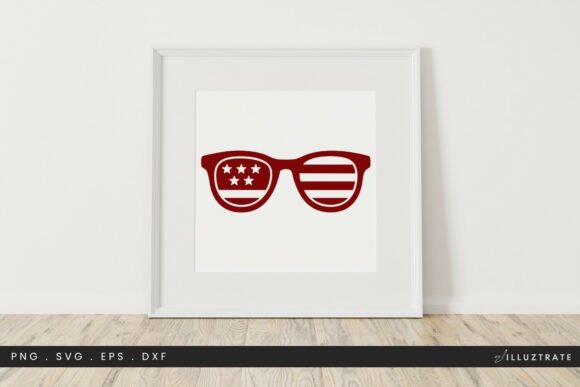
When I opened 4th July Shades SVG Clipart, my first thought wasn’t “Oh, another patriotic graphic”—it was “This has real personality.” The layout leans into playful contrast: bold lettering with stylized sunbursts, subtle star motifs tucked into negative space, and a relaxed but intentional rhythm between elements. It doesn’t scream “fireworks overload” or lean too heavily on clichés—it feels like something you’d choose for a boutique sweatshirt, not just a last-minute craft fair tote. As an embroidery designer who’s stitched hundreds of holiday-themed files, I appreciate how this one balances visual energy with clean structure—no tiny floating stars that vanish under thread, no overlapping letters that’ll fight during digitizing.
How It Translates to Real Embroidery Projects
I tested 4th July Shades SVG Clipart as the centerpiece for a custom embroidered cotton tote bag—intended for a local farmers’ market vendor launching a limited-edition Independence Day collection. On fabric, the design held up beautifully in satin stitch for the main text and soft fill stitch for the sunburst background. Because the SVG is cleanly layered and well-spaced, converting it to a machine embroidery design felt intuitive—not like wrestling with stray anchor points or inconsistent stroke weights. That matters when you’re prepping for client work or batch-producing small shop products.
It shines brightest on medium-weight woven fabrics: tea towels, aprons, pillow covers, and unstructured caps. I also ran a quick test on a lightweight baby onesie using lightweight cutaway stabilizer—and while the overall shape stayed crisp, I dialed back the stitch density slightly to avoid stiffness. For sweatshirt embroidery or custom apparel, it reads clearly even at 3.5–4 inches wide. No need to overscale it just to keep legibility. That’s rare for quote-based graphics, especially in the Crafts category where detail often gets lost in translation from screen to stitch.
Where to Use It Thoughtfully (Not Just Everywhere)
Like any strong design asset, 4th July Shades SVG Clipart isn’t magic on every surface. On highly textured fabrics—think terry cloth towels or bouclé knit blankets—the finer sunburst lines can blur unless you adjust underlay and reduce fill density. On stretchy fabric like jersey tees or baby leggings, skip direct hooping; use a tear-away + cutaway combo stabilizer and consider simplifying the outer star accents if your hoop size is tight.
It’s also not ideal for very small hoop sizes (under 3 inches) without modification—those decorative corners and tapered letter ends need breathing room. And while it works on dark fabric, test your thread colors first: white or kelly green thread pops, but pale yellow or silver can disappear against navy or charcoal. For embroidered patches or layered applique designs, treat the sunburst as a background element—not a standalone motif—so it supports rather than competes with your main focal point.
What It Adds to Your Finished Product—Beyond Aesthetics
This isn’t just decoration. When stitched well, 4th July Shades SVG Clipart lifts the perceived value of handmade product listings—especially on Etsy or craft fairs. Customers notice confidence in execution: balanced spacing, consistent line weight, and thoughtful negative space all signal professionalism. That builds trust faster than any description ever could. For personalized gifts or holiday embroidery, it lands as joyful but not juvenile—ideal for adult customers buying for themselves or gifting to friends who appreciate clever design over stock clipart.
From a branding standpoint, it slots neatly into small business merchandise without demanding full rebranding. Pair it with neutral-toned apparel or natural-fiber kitchen towels, and it feels curated—not slapped on. That consistency helps Etsy sellers maintain cohesive shop aesthetics across digital embroidery file previews, printable mockups, and physical finished product photos.
Practical Notes Every Embroidery Designer Should Check
- Always test on scrap fabric first—especially if stitching on blends or new-to-you textiles.
- Review stitch density before finalizing; dense fills look rich on stable fabrics but can pucker on knits.
- Confirm hoop size compatibility early—some versions may require slight resizing for 4x4 hoops.
- Inspect small details at actual stitch scale: those star tips should remain distinct, not merge into blobs.
- Try black-and-white mockups to gauge contrast and readability before committing to thread colors.
- Compare how it reads on light vs. dark fabric backgrounds—this affects both digital previews and physical samples.
- Use appropriate stabilizer: cutaway for knits, tear-away for stable wovens, and lightweight fusible for delicate baby embroidery.
- Verify licensing terms before selling finished items or bundling as part of a commercial embroidery project or digital embroidery file pack.
Final Thought: A Reliable, Human-Centered Design Asset
4th July Shades SVG Clipart isn’t flashy in a gimmicky way—it’s reliable, expressive, and built for real use. Whether you’re a solo maker prepping holiday inventory, an apparel decorator building custom sweatshirt embroidery for a local event, or a digital product seller curating a Graphics bundle for fellow crafters, this file earns its place in your workflow because it respects your time and your standards. It doesn’t ask you to fix it. It asks you to execute it well—and that’s the mark of thoughtful design.